The Value of Court Reporting in Ensuring Accurate Legal Proceedings
Court reporting is a crucial part of the lawful system. It offers a exact and neutral document of courtroom activities. This documentation is crucial for allures and legal study, making certain that every spoken word is captured properly. The honesty of lawful proceedings relies greatly on these transcripts. However, the duty of modern technology and developing methods questions about the future of court reporting and its influence on justice. What adjustments exist ahead?
The Role of Court Reporters in the Legal System
Stenotype reporter play a vital duty in the legal system by supplying precise and unbiased transcripts of proceedings. Their work warranties that court discussions, witness testimonies, and legal arguments are faithfully recorded, functioning as an official document for future referral. This documents is crucial for appeals, lawful research study, and keeping the honesty of judicial processes. Court press reporters are trained specialists skilled in stenography and numerous videotaping innovations, allowing them to record spoken words with precision. They have to have a detailed understanding of lawful terminology and court methods, ensuring that their transcripts fulfill the standards required by the judicial system. Furthermore, they may supply real-time transcription solutions, allowing courts and attorneys to gain access to info immediately throughout procedures. By meeting these obligations, stenotype reporter help with transparency, responsibility, and the reasonable administration of justice, thus enhancing the fundamental principles of the lawful system.
Guaranteeing Precision in Transcription
Accuracy in transcription is paramount for preserving the honesty of legal process. Court reporters thoroughly record every word talked during tests, depositions, and hearings, guaranteeing that the authorities record reflects the true dialogue and exchanges that happen. This accuracy is critical, as even minor mistakes can result in substantial misconceptions or false impressions of the law.
To achieve this level of accuracy, stenotype reporter use different strategies, including energetic listening and using specialized shorthand methods. Continual training and familiarity with legal terminology likewise improve their capability to generate trustworthy transcripts.
Moreover, the verification process is necessary; reporters usually review their records for prospective inconsistencies before last entry. This persistance not just upholds the top quality of legal documents however also supports the judicial process, allowing lawyers and courts to reference accurate records when choosing. Eventually, precise transcription cultivates rely on the lawful system and assurances that justice is served.
The Effect of Modern Technology on Court Reporting
As technology remains to evolve, its influence on court reporting has actually come to be significantly considerable. Digital recording systems and speech recognition software application have transformed traditional practices, using brand-new devices for catching spoken discussion. These innovations improve effectiveness and availability, allowing faster transcription and real-time reporting. Furthermore, cloud-based systems assist in seamless sharing of transcripts, enhancing collaboration among attorneys.
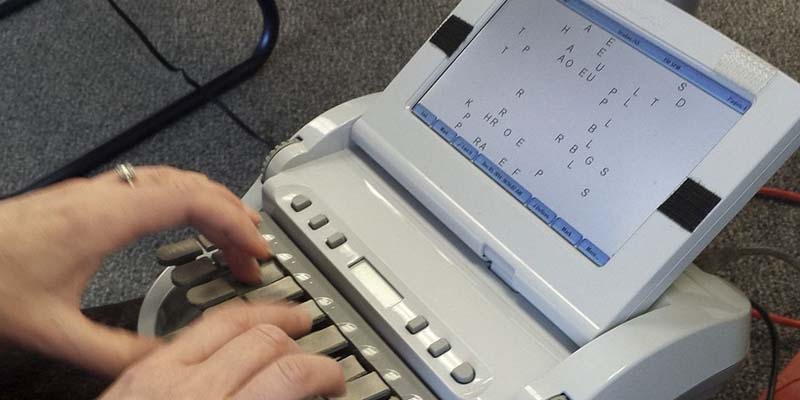
Eventually, while technology boosts the speed and ease of access of court reporting, it underscores the demand for human oversight to keep the high quality and precision important for legal process. As the field continues to adjust, the integration of technology will certainly play a crucial role in forming the future of court reporting.

The Relevance of Confidentiality and Integrity
Privacy and integrity are basic concepts that underpin the technique of court reporting in legal company website procedures (durham court reporting). Stenotype reporter are left with delicate info, needing them to preserve discretion and secure the personal privacy of all events entailed. This confidentiality cultivates a relying on setting where plaintiffs and witnesses can talk freely, ensuring that the lawful procedure is fair and simply
Integrity is equally necessary; court reporters need to offer precise and unbiased records, functioning as the official record of the procedures. Any kind of gap in honesty can lead to false impressions, potentially influencing case end results and undermining the judicial system.
Future Fads in Court Reporting
The landscape of court reporting is advancing in reaction to technological improvements and the changing needs of the lawful career. Emerging fads include the integration of fabricated knowledge and real-time transcription services, which improve effectiveness and precision. Stenotype reporter are significantly making use of digital devices, such as cloud-based systems, allowing for seamless cooperation amongst lawful groups and less complicated access to transcripts.
Additionally, the increase of remote court procedures has prompted the development of specialized training for press reporters in online environments. This shift not only adapts to the demands of a globalized lawful landscape but additional hints likewise addresses obstacles positioned by geographical barriers.
Furthermore, the focus on ease of access is driving advancements in transcription formats, making sure that legal records satisfy diverse audiences. Overall, the future of court reporting is identified by a blend of standard abilities and contemporary innovation, placing press reporters as crucial gamers in the lawful procedure.
Often Asked Concerns
What Certifications Are Needed to End Up Being a Stenotype Reporter?
To become a court reporter, individuals usually need a secondary school diploma, specialized training in court reporting, effectiveness in shorthand or voice writing, and qualification or licensing, relying on the jurisdiction and particular job demands. - durham court reporting
How Do Court Reporters Maintain Their Abilities With Time?
Court reporters preserve their skills with time via constant education and learning, practice, and involvement with specialist companies. They often attend workshops, utilize innovative technology, and take part in accreditation programs to enhance their effectiveness and adapt to evolving requirements.
What Obstacles Do Court Reporters Face in Their Occupation?
Stenotype reporter experience various obstacles, consisting of handling high-pressure atmospheres, adjusting to varied accents and dialects, preserving technological efficiency, making certain precision under tight target dates, have a peek at this site and taking care of emotionally charged testimonies that might influence emphasis and performance.
Are Court Reporters Included in Other Lawful Setups Besides Court Rooms?
Court press reporters are undoubtedly involved in numerous legal setups beyond courts, including depositions, mediation hearings, and management process. Their proficiency warranties exact records in these environments, adding to the clearness and dependability of lawful paperwork.
Just How Do Court Reporters Handle Stressful Situations Throughout Proceedings?
Court reporters take care of difficult scenarios by maintaining focus, using efficient time management skills, and utilizing their training to remain calm. They frequently exercise deep breathing and utilize strategies to decrease diversions, ensuring accurate paperwork under pressure.
Court reporting is a vital part of the legal system. Court press reporters play a crucial role in the lawful system by supplying unbiased and exact records of proceedings. Ultimately, while technology improves the rate and availability of court reporting, it emphasizes the demand for human oversight to keep the high quality and accuracy important for lawful procedures. Confidentiality and integrity are fundamental principles that underpin the method of court reporting in lawful procedures. Court press reporters are undoubtedly entailed in various lawful setups past court rooms, including depositions, mediation hearings, and administrative procedures.